



 Popular Categories
Why Law Enforcement Families Are True Heroes Every Day

Behind every badge, there is a family. While public safety professionals stand on the front lines, their families serve alongside them in a different, yet equally profound, way. They are the steadfast support system, the quiet cornerstone of strength that enables officers to face the demands of their duty each day. The resilience, sacrifice, and unwavering love of law enforcement families define a unique form of heroism—one that operates behind the scenes but is essential to the fabric of community safety. This is a tribute to those unsung heroes: the spouses, children, parents, and partners who carry a special burden with grace and fortitude.
Through their own words, we gain a clearer picture of their world—a world shaped by service, uncertainty, and an unbreakable sense of community. Their stories reveal the true depth of their commitment and why they are, in every sense of the word, heroes.
The Unspoken Weight: Challenges Beyond the Uniform
Life as a law enforcement family involves navigating challenges that most people never have to consider. It is a reality where the line between professional duty and personal life is often blurred, creating a constant state of awareness and concern. The most profound challenge is the persistent uncertainty that accompanies the job. One family member described it simply and powerfully: "Saying goodbye may be your last goodbye due to the dangers of the job."
This sentiment is a daily reality. While many people can compartmentalize their work, an officer’s family lives with the knowledge that their loved one’s profession carries inherent risks. This isn't a distant thought but a present reality that shapes their lives. Another officer explained how this awareness extends into their personal time. "In any public setting, there may be someone who recognizes you as law enforcement and has negative feelings toward your occupation. While I enjoy my time in public with my family as a husband/father, in the back of my mind I am also preparing for potentially harmful situations." This hyper-vigilance is a burden shared by the entire family, who must also learn to be aware of their surroundings in a way that others do not.
The impact ripples through the entire law enforcement community. As one officer shared, "When a police officer is killed anywhere in America, every law enforcement family feels it. Spouses pause a little longer when their loved one leaves for a shift, and kids notice. The ripple effect is real." This shared experience creates a bond, but it also amplifies the emotional weight they carry. It’s a constant reminder of the stakes involved, a silent understanding that connects them all.

Redefining Heroism: Strength in Sacrifice and Support
What does it truly mean to be a hero? For law enforcement families, the definition extends far beyond a single act of bravery. Heroism is found in the everyday moments of quiet strength, understanding, and unwavering support. It is embodied in the family that holds everything together while their officer is on a long shift, misses a holiday, or comes home carrying the emotional toll of a difficult day.
One story perfectly captures this idea. A family member of a police lieutenant defined a hero by describing a specific event: "The day my husband saved the life of someone dealing with a mental health crisis that was resolved peacefully due to his crisis training which ended without the individual taking their life, especially that it was around the holidays. That is a hero!" This perspective highlights that heroism is not just about physical confrontation but about compassion, skill, and preserving life. The pride in this act is felt not just by the officer, but by the entire family who supports the dedication required to gain that level of training and composure.
Heroism is also found in the collective spirit of the law enforcement community. Families often step up to support one another through difficult times, reinforcing the idea that they are all in this together. One officer’s family shared how they actively participate in fundraising efforts. "My husband...and his co-workers do hockey fundraisers to raise money for families and medical situations that arise. We also went to a recent comedy show fundraiser that raised funds for police officers in the community that either lost their lives or are dealing with difficult health challenges." This is heroism in action—turning shared hardship into a network of tangible support.
The families of officers are heroes because they provide the emotional foundation that allows their loved ones to serve effectively. They absorb the stress, celebrate the victories, and navigate the uncertainties with a strength that is both inspiring and essential.
 A Legacy of Service: How the Job Shapes the Family
Being part of a law enforcement family leaves an indelible mark. It shapes values, builds character, and offers a unique perspective on life. The lessons learned are not always easy, but they often forge resilience and a deep appreciation for what truly matters.
One officer reflected on the impact his career has had on his children: "I hope that my experience as a police officer has made my family, especially my kids, stronger and more resilient. They’ve learned early that life isn’t always fair, that service often requires sacrifice, and that doing the right thing doesn’t always come with applause." He continued, "I believe they’ve developed empathy, maturity, and gratitude for the simple things that many take for granted." This is the profound, character-building effect of a life dedicated to service. Children in these families learn about duty, integrity, and perseverance not from a textbook, but from watching their parent live it every day.
For many, the call to serve is a family tradition. One detective shared the deep roots of his inspiration: "I grew up with family members who had served in the military during wars and in the police department. Service was in my blood." He spoke of his uncle, a respected NYPD officer, who "exemplified the very best of what a police officer is supposed to be." This legacy of service creates a powerful sense of purpose and pride that is passed down through generations.
Moments of pride are woven throughout the fabric of family life. An officer recounted how his family reacts to seeing him on the news during high-security details for political events or dignitaries. "My boys always think it is pretty cool," he said, also mentioning their excitement at seeing him model police items in the Galls catalog. These moments, big and small, reinforce a sense of pride and connection to the important work being done.
A particularly touching moment was shared by a detective whose father was battling cancer. "In December of 1990, I was promoted to the rank of Detective. My father was dying...but wanted to attend the promotion ceremony." His uncle, an NYPD Sergeant, arranged for a wheelchair and assistance to ensure his father could be there. "He was beaming with pride despite his illness. My family will always be eternally grateful to the members of the NYPD who helped make this happen." In that moment, the entire family felt the embrace and support of the department, and the pride of a career dedicated to service became a shared, lasting memory.
The Support They Need: A Call for Understanding and Respect
While law enforcement families have built a strong internal support network, there is a clear need for greater understanding and respect from the broader community. The families who stand behind the badge often feel misunderstood, and their sacrifices go unnoticed.
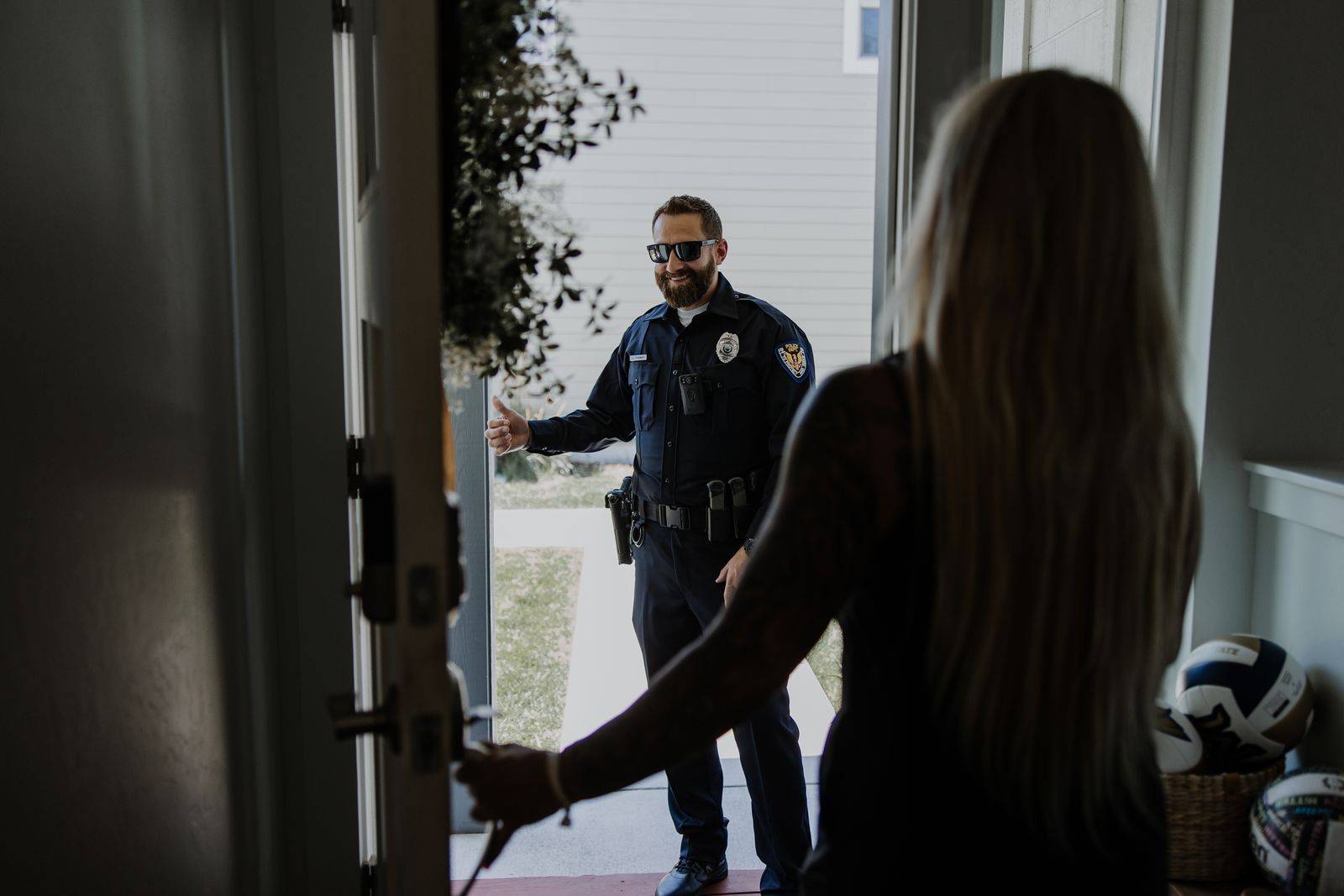
One of the most common wishes expressed is for simple acknowledgment and respect. "Respect for the job they actually do. They are there to help," one officer stated plainly. This desire stems from the disconnect between the public perception of law enforcement and the reality that families see every day—the dedication, the training, and the genuine desire to protect and serve.
Another officer articulated the need for greater compassion from the public. "I wish more families outside of law enforcement understood the realities of this profession – and how deeply it impacts not just the officer, but their loved ones." This understanding is not about praise, but about recognizing the silent burden that families carry. Acknowledging the anxiety a spouse feels or the questions a child asks is a simple act of empathy that can make a significant difference.
This support is not just about emotional validation; it is about creating a community environment where law enforcement families feel safe and appreciated. When an officer is recognized in public, the hope is that the interaction is one of respect, not hostility. The families standing beside them deserve to feel like valued members of the community their loved one has sworn to protect.
The Unseen Partners in Public Safety
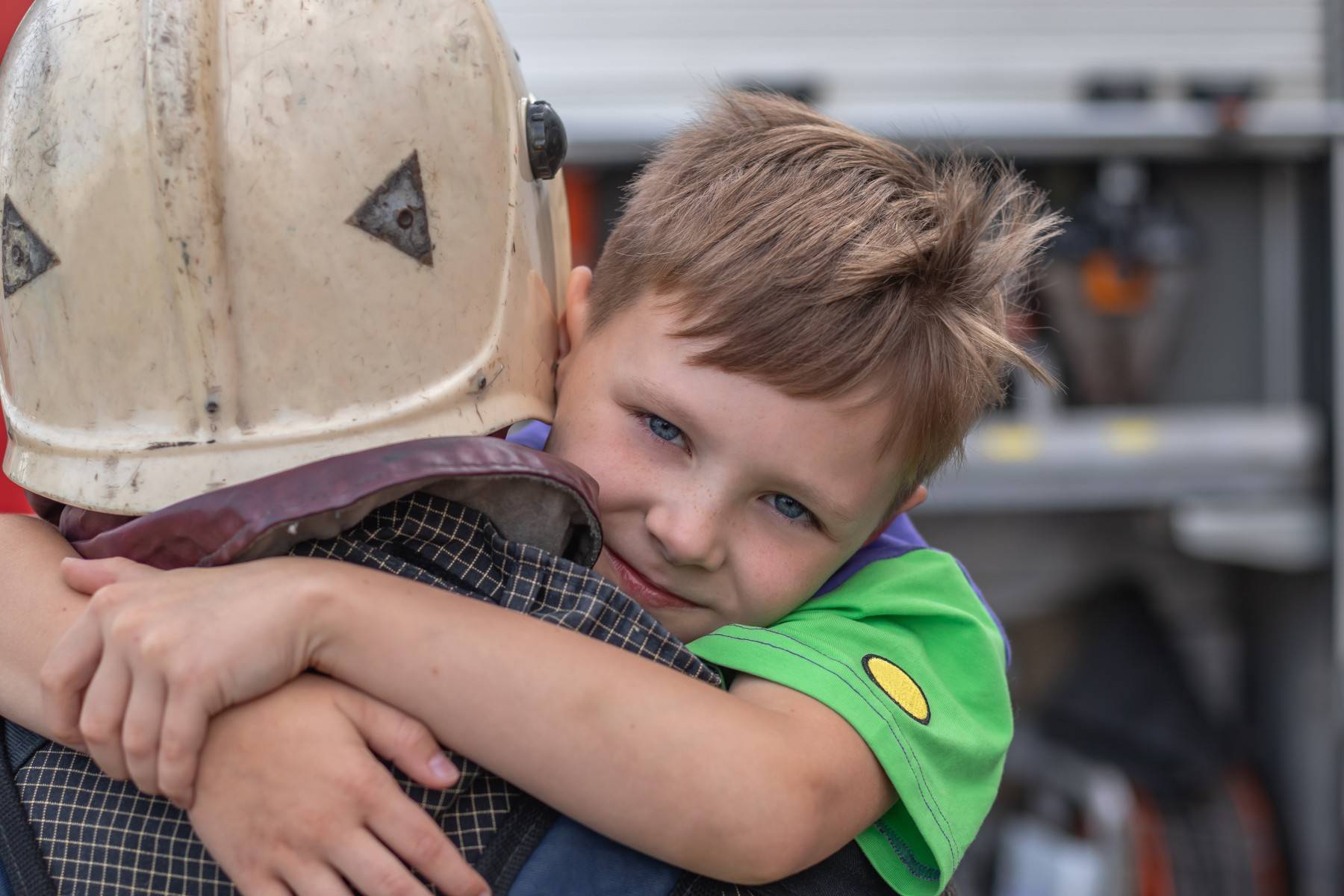
The commitment of a law enforcement officer does not end at their shift's conclusion, and the duty of their family is never truly off. They are the unseen partners in public safety, providing the stability, love, and encouragement that fuels a career of service. They celebrate the peaceful resolutions, mourn the tragic losses, and manage the household through missed holidays and uncertain schedules.
Their heroism is not found in a single, dramatic act, but in the countless small sacrifices made every single day. It is in the resilience of children who learn about duty at a young age, the strength of a spouse who manages the home front alone, and the pride of a parent watching their child carry on a legacy of service.
Law enforcement families are the backbone of the profession. They are true heroes, not for what they do in the public eye, but for the unwavering support they provide behind the scenes. Their love and sacrifice make it possible for officers to protect and serve our communities, and for that, they deserve our deepest respect and gratitude.
Related Posts



Disclaimer: The information in this blog post is for general informational purposes only and should not be taken as legal, regulatory, safety, or professional advice. Galls, LLC and its affiliates (collectively, the “Company”) distribute public safety and law enforcement products but do not manufacture the items discussed. All product details are based on manufacturer-provided information and have not been independently verified by Galls. We make no warranties regarding the accuracy or completeness of such information. Readers should consult the respective manufacturer or regulatory authority for the latest details.
For more detailed information, visit our Disclaimer Page.
 Item Added to Cart!
